
Key Differences Between a Broken and Sprained Foot

A broken foot is a fracture that occurs when one or more bones in the foot crack or break due to excessive force, trauma, or repetitive stress. The foot contains a complex structure of bones that support movement and balance, making it susceptible to injury during high-impact activities or accidents. In contrast, a sprained foot involves damage to the ligaments, which are the soft tissues that connect bones. While both injuries may present with similar discomfort, the underlying damage is different, which affects treatment and recovery expectations.

Symptoms of a broken foot often include sharp and immediate pain, swelling, bruising, and difficulty bearing weight. Some individuals may experience a visible deformity or hear a snapping sound at the time of injury. Pain usually worsens with movement and does not improve with rest. A sprained foot may also cause swelling and discomfort, but it may allow some level of movement and weight bearing. Tenderness and instability may be present, but the structural integrity of the bone remains intact. Distinguishing between these conditions is important for proper care.


Risk factors for a broken foot include participation in high-impact sports, sudden trauma such as falls, and wearing footwear that does not protect the foot. Environmental hazards like uneven ground or slippery surfaces can also increase risk. Individuals with reduced bone strength or a history of stress injuries may be more vulnerable. Recovery time for a broken foot varies based on severity, but most fractures require several weeks of immobilization followed by gradual rehabilitation. In comparison, a sprain may heal more quickly depending on the extent of ligament damage.


It is important to understand that an accurate diagnosis is essential when dealing with foot injuries. Misidentifying a fracture as a sprain can delay healing and lead to complications. Prompt evaluation helps ensure proper treatment and recovery. If you think you may have broken your foot or have persistent pain after an injury, it is strongly suggested you consult a podiatrist for an accurate diagnosis and appropriate treatment plan.

A broken foot requires immediate medical attention and treatment. If you need your feet checked, contact Gary J. Kaiserman, DPM from Achilles Footcare Center. Our doctor can provide the care you need to keep you pain-free and on your feet.

Broken Foot Causes, Symptoms, and Treatment

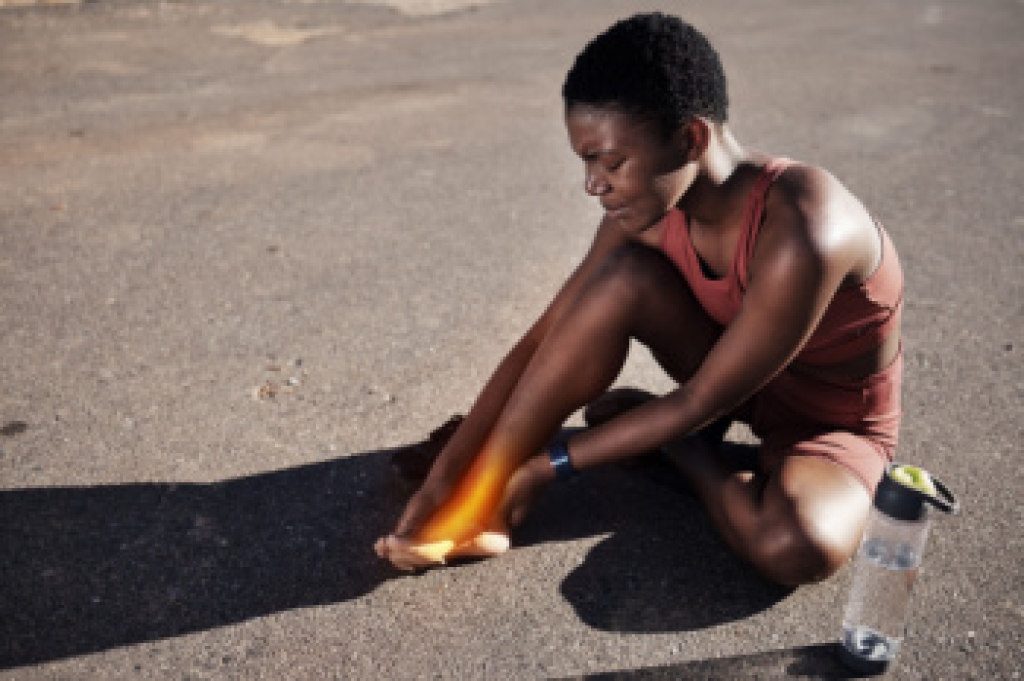
A broken foot is caused by one of the bones in the foot typically breaking when bended, crushed, or stretched beyond its natural capabilities. Usually the location of the fracture indicates how the break occurred, whether it was through an object, fall, or any other type of injury. 

Common Symptoms of Broken Feet:

  • Bruising
  • Pain
  • Redness
  • Swelling
  • Blue in color
  • Numbness
  • Cold
  • Misshapen
  • Cuts
  • Deformities

Those that suspect they have a broken foot shoot seek urgent medical attention where a medical professional could diagnose the severity.

Treatment for broken bones varies depending on the cause, severity and location. Some will require the use of splints, casts or crutches while others could even involve surgery to repair the broken bones. Personal care includes the use of ice and keeping the foot stabilized and elevated.

If you have any questions, please feel free to contact our offices located in Forest Lane and West Kiest Boulevard Dallas, TX . We offer the newest diagnostic and treatment technologies for all your foot care needs.
Read more about Causes, Symptoms, and Treatment for a Broken Foot

Pain on the Inner Side of the Foot

Pain on the inner side of the foot can develop from strain in the muscles and soft tissue that support the arch and big toe. This pain is often linked to overuse, flat feet, and poor arch support in shoes. Sudden increases in activity or direct injury to the foot are other factors. People who stand for long hours at work or spend more time walking and running may notice soreness, swelling, tenderness, or tingling in this area. Because inner foot pain can feel similar to plantar fasciitis or tendon problems, a proper diagnosis is important. A podiatrist can examine the foot, check the arch, test movement, and order X-rays or other imaging tests to determine the cause. Treatment options include custom orthotics, supportive bracing, medication for pain relief, or surgery, in more serious cases. If you have pain on the inner side of the foot, it is suggested that you schedule an appointment with a podiatrist for a diagnosis and appropriate treatment. 

Foot Pain

Foot pain can be extremely painful and debilitating. If you have a foot pain, consult with Gary J. Kaiserman, DPM from Achilles Footcare Center. Our doctor will assess your condition and provide you with quality foot and ankle treatment.

Causes

Foot pain is a very broad condition that could be caused by one or more ailments. The most common include:

  • Bunions
  • Hammertoes
  • Plantar Fasciitis
  • Bone Spurs
  • Corns
  • Tarsal Tunnel Syndrome
  • Ingrown Toenails
  • Arthritis (such as Gout, Rheumatoid, and Osteoarthritis)
  • Flat Feet
  • Injury (from stress fractures, broken toe, foot, ankle, Achilles tendon ruptures, and sprains)
  • And more

Diagnosis

To figure out the cause of foot pain, podiatrists utilize several different methods. This can range from simple visual inspections and sensation tests to X-rays and MRI scans. Prior medical history, family medical history, and any recent physical traumatic events will all be taken into consideration for a proper diagnosis.

Treatment

Treatment depends upon the cause of the foot pain. Whether it is resting, staying off the foot, or having surgery; podiatrists have a number of treatment options available for foot pain.

If you have any questions, please feel free to contact our offices located in Forest Lane and West Kiest Boulevard Dallas, TX . We offer the newest diagnostic and treatment technologies for all your foot care needs.

Read more about Foot Pain

Recognizing Athlete’s Foot Early

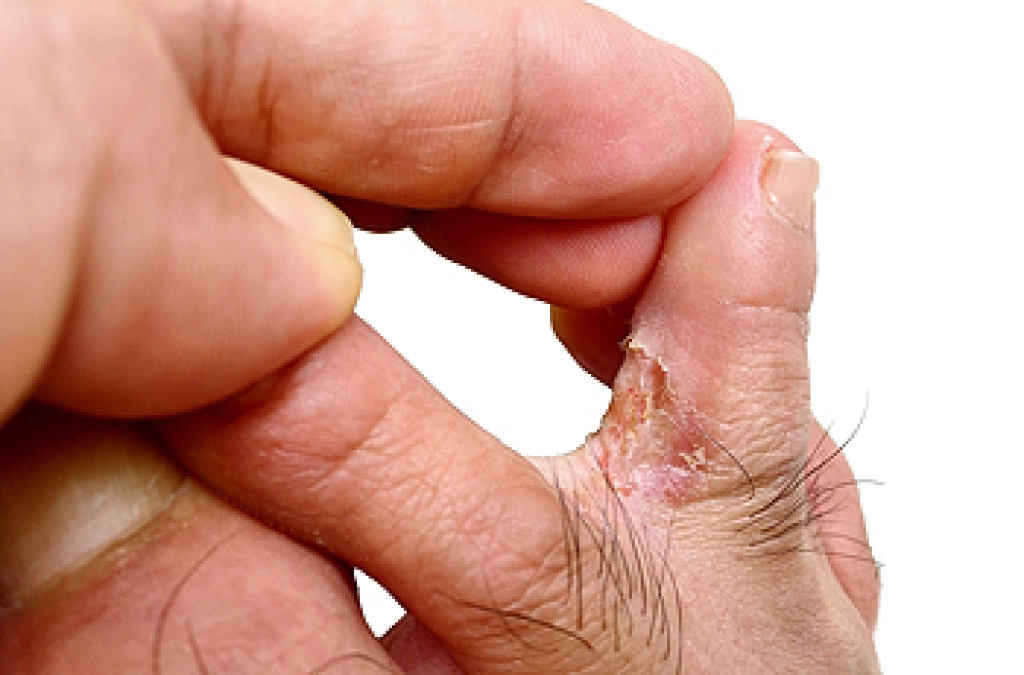
Athlete’s foot is a fungal infection that affects the skin on the feet, most often between the toes. It usually begins with itching, redness, and a burning feeling that can worsen after wearing shoes for long periods of time. The skin may appear dry, cracked, or flaky, and in some cases small blisters can form. This condition develops when fungus grows in warm, damp environments, such as sweaty socks or shared surfaces like locker rooms. Simple habits like using clean towels and changing socks often can help reduce risk, but infections can still occur. Without proper care, symptoms may spread or lead to secondary skin problems. A podiatrist can identify the infection, determine its severity, and provide targeted treatments that clear the fungus and protect the skin. If you have symptoms of athlete’s foot, it is suggested that you consult a podiatrist who can effectively treat this condition, which may include prescribed medication.

Athlete’s foot is an inconvenient condition that can be easily reduced with the proper treatment. If you have any concerns about your feet and ankles, contact Gary J. Kaiserman, DPM from Achilles Footcare Center.  Our doctor will treat your foot and ankle needs.

Athlete’s Foot: The Sole Story

Athlete's foot, also known as tinea pedis, can be an extremely contagious foot infection. It is commonly contracted in public changing areas and bathrooms, dormitory style living quarters, around locker rooms and public swimming pools, or anywhere your feet often come into contact with other people.

Solutions to Combat Athlete’s Foot

  • Hydrate your feet by using lotion
  • Exfoliate
  • Buff off nails
  • Use of anti-fungal products
  • Examine your feet and visit your doctor if any suspicious blisters or cuts develop

Athlete’s foot can cause many irritating symptoms such as dry and flaking skin, itching, and redness. Some more severe symptoms can include bleeding and cracked skin, intense itching and burning, and even pain when walking. In the worst cases, Athlete’s foot can cause blistering as well. Speak to your podiatrist for a better understanding of the different causes of Athlete’s foot, as well as help in determining which treatment options are best for you.

If you have any questions please feel free to contact our offices located in Forest Lane and West Kiest Boulevard Dallas, TX . We offer the newest diagnostic and treatment technologies for all your foot and ankle needs.

Read more about Athlete’s Foot

Gout Pain Can Be Managed

Gout is a painful, inflammatory form of arthritis. Those affected will typically feel an intense stiffness in the joints of their feet, particularly in the big toe. Schedule a visit to learn about how gout can be managed and treated.

Preventing Falls With Exercises

Falls are a common concern for older adults and others with balance problems. But specific exercises can help improve stability and lower the risk of injury. Simple movements such as heel raises, side-stepping, and standing on one foot help strengthen muscles in the feet, ankles, and legs. These exercises also improve coordination and body awareness while walking. Balance exercises are often done near a sturdy chair or counter for support. Regular movement helps people feel more confident while standing, climbing stairs, and changing direction. A podiatrist can examine the feet and ankles to determine whether weakness, nerve damage, or foot pain is affecting balance. Treatment includes custom orthotics, supportive footwear recommendations, and exercises designed to improve stability and reduce fall risk. If you have balance problems or have injured your foot or ankle from falling,  it is suggested that you schedule an appointment with a podiatrist.

Preventing falls among the elderly is very important. If you are older and have fallen or fear that you are prone to falling, consult with Gary J. Kaiserman, DPM from Achilles Footcare Center. Our doctor will assess your condition and provide you with quality advice and care.

Every 11 seconds, an elderly American is being treated in an emergency room for a fall related injury. Falls are the leading cause of head and hip injuries for those 65 and older. Due to decreases in strength, balance, senses, and lack of awareness, elderly persons are very susceptible to falling. Thankfully, there are a number of things older persons can do to prevent falls.

How to Prevent Falls

Some effective methods that older persons can do to prevent falls include:

  • Enrolling in strength and balance exercise program to increase balance and strength
  • Periodically having your sight and hearing checked
  • Discuss any medications you have with a doctor to see if it increases the risk of falling
  • Clearing the house of falling hazards and installing devices like grab bars and railings
  • Utilizing a walker or cane
  • Wearing shoes that provide good support and cushioning
  • Talking to family members about falling and increasing awareness

Falling can be a traumatic and embarrassing experience for elderly persons; this can make them less willing to leave the house, and less willing to talk to someone about their fears of falling. Doing such things, however, will increase the likelihood of tripping or losing one’s balance. Knowing the causes of falling and how to prevent them is the best way to mitigate the risk of serious injury.  

If you have any questions, please feel free to contact our offices located in Forest Lane and West Kiest Boulevard Dallas, TX . We offer the newest diagnostic and treatment technologies for all your foot care needs.

Read more about Falls Prevention

Connect With Us

Advanced Podiatric Procedures & Services in the Dallas County, TX: Dallas (Garland, Richardson, Addison, Carrollton, Farmers Branch, University Park, Highland Park, Irving, Cockrell Hill, Duncanville, Hutchins, Lancaster, DeSoto, Cedar Hill, Grand Prairie, Glenn Heights) and Ellis County, TX: Red Oak, Oak Leaf, Ovilla areas