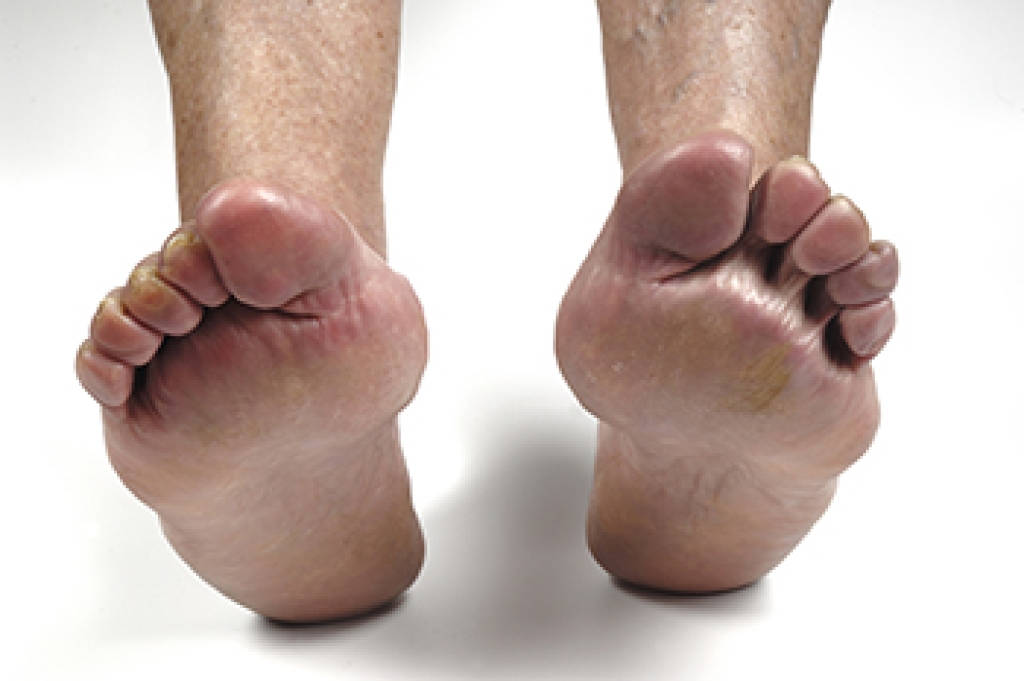
Blisters on the Feet

Blisters are fluid-filled pockets that develop on the outer layer of the skin. They commonly appear on the feet, where repeated rubbing or pressure can irritate one area. Shoes that do not fit properly may repeatedly rub against the skin and contribute to blister formation. Blisters can also develop for reasons unrelated to friction. Burns, frostbite, and certain skin conditions are possible causes. Although many foot blisters are minor, they can become painful and make walking uncomfortable. Understanding what caused a blister is important, especially when several blisters appear without an obvious reason.


A blister creates a natural layer of protection over the irritated skin underneath. Popping a blister breaks its protective layer of skin, which increases the risk of infection and may slow healing. Warning signs may include pus draining from the blister or skin around it becoming red and swollen. Warmth and increasing pain can also signal a problem. Medical attention is particularly important for people with diabetes or circulation problems because foot injuries may require closer monitoring. A fever accompanying a blister is another reason to contact a healthcare professional. Multiple unexplained blisters should also be evaluated to determine whether an underlying skin condition or illness may be responsible.


A podiatrist can examine a foot blister and determine whether friction, infection, or another problem may be contributing to it. The evaluation can include checking the surrounding skin and considering whether footwear is placing repeated pressure on the affected area. Professional assessment is especially valuable when a blister is painful, appears infected, or continues to return. A podiatrist can also evaluate patients with diabetes or poor circulation, since these conditions can make foot problems more concerning. Identifying the cause can help guide appropriate treatment and reduce the chance of complications. Persistent foot discomfort should not be ignored when skin damage is present. If a foot blister becomes increasingly painful, shows signs of infection, or develops repeatedly, it is suggested that you consult a podiatrist for safe and sterile treatment options. 

Blisters may appear as a single bubble or in a cluster. They can cause a lot of pain and may be filled with pus, blood, or watery serum. If your feet are hurting, contact Gary J. Kaiserman, DPM of Achilles Footcare Center. Our doctor can provide the care you need to keep you pain-free and on your feet.

Foot Blisters

Foot blisters are often the result of friction. This happens due to the constant rubbing from shoes, which can lead to pain.

What Are Foot Blisters?

A foot blister is a small fluid-filled pocket that forms on the upper-most layer of the skin. Blisters are filled with clear fluid and can lead to blood drainage or pus if the area becomes infected.

Symptoms

(Blister symptoms may vary depending on what is causing them)

  • Bubble of skin filled with fluid
  • Redness
  • Moderate to severe pain
  • Itching

Prevention & Treatment

In order to prevent blisters, you should be sure to wear comfortable shoes with socks that cushion your feet and absorb sweat. Breaking a blister open may increase your chances of developing an infection. However, if your blister breaks, you should wash the area with soap and water immediately and then apply a bandage to the affected area. If your blisters cause severe pain it is important that you call your podiatrist right away.

If you have any questions, please feel free to contact our offices located in Forest Lane and West Kiest Boulevard Dallas, TX . We offer the newest diagnostic and treatment technologies for all your foot care needs.


Read more about Blisters on the Feet

Facts About a Dislocated Toe

A dislocated toe occurs when one of its joints is forced out of its normal position. This injury can happen suddenly and may make walking difficult. A dislocated toe often causes sharp pain right away. Swelling may develop quickly, and bruising can sometimes appear around the injured joint. The second toe is more commonly affected because of its position and exposure to pressure. Prompt evaluation is important because a dislocation can occur with a fracture or other damage.

Common causes include stubbing the toe, falling, or landing awkwardly during sports. A forceful impact can push the toe joint beyond its normal range. Risk factors include activities with frequent jumping, running, or quick direction changes. Wearing shoes that provide poor support may also increase the chance of injury. People with previous toe injuries may have additional risk. If the painful toe looks crooked, feels unstable, or cannot move normally, it should be checked by a podiatrist.

A podiatrist will examine the toe and may order an X-ray to check for a fracture or joint damage. Treatment usually begins with returning the joint to its normal position. This is called reduction and should not be attempted at home. The toe may then be protected with taping or another support while it heals. Rest and elevation can help control swelling. Your podiatrist will also explain when you can safely return to normal activities and footwear.

Recovery from a dislocated toe depends on the severity of the injury and whether other damage is present. Following treatment instructions can help protect the joint and lower the risk of ongoing pain or stiffness. Even when swelling improves, continued tenderness should not be ignored. If you have symptoms of a dislocated toe, it is suggested that you consult a podiatrist for effective relief and treatment solutions. 

Toe pain can disrupt your daily activities. If you have any concerns, contact Gary J. Kaiserman, DPM of Achilles Footcare Center. Our doctor can provide the care you need to keep you pain-free and on your feet.

What Causes Toe Pain?

Most severe toe pain is caused due to a sports injury, trauma from dropping something heavy on the toe, or bumping into something rigid. Other problems can develop over time for various reasons.

Toe pain can be caused by one or more ailments. The most common include:

  • Trauma
  • Sports injury
  • Wearing shoes that are too tight
  • Arthritis
  • Gout
  • Corns and calluses
  • Hammertoe
  • Bunions
  • Blisters
  • Ingrown toenails
  • Sprains
  • Fractures (broken bones)
  • Dislocations

When to See a Podiatrist

  • Severe pain
  • Persistent pain that lasts more than a week
  • Signs of infection
  • Continued swelling
  • Pain that prevents walking

Diagnosis

In many cases the cause of toe pain is obvious, but in others, a podiatrist may want to use more advanced methods to determine the problem. These can range from simple visual inspections and sensation tests to X-rays and MRI scans. Prior medical history, family medical history, and any recent physical traumatic events will all be taken into consideration for a proper diagnosis.

Treatment

Treatments for toe pain and injuries vary and may include shoe inserts, padding, taping, medicines, injections, and in some cases, surgery. If you believe that you have broken a toe, please see a podiatrist as soon as possible.

If you have any questions please contact our offices located in Forest Lane and West Kiest Boulevard Dallas, TX . We offer the newest diagnostic and treatment technologies for all your foot and ankle needs.

Read more about Toe Pain

Ankle Stretches for Flexible and Healthier Feet

Ankle stretches are gentle movements that improve flexibility around the ankle joint. They can reduce stiffness and support comfortable movement during activities. Symptoms that may improve with stretching include mild tightness, limited motion, and discomfort after activity. Risk factors for ankle stiffness include prolonged sitting, previous injuries, and low activity. Because ankle pain can have many causes, persistent symptoms should be evaluated rather than treated with stretching alone.

Several ankle stretch types can support mobility. A calf stretch against a wall lengthens the muscles behind the lower leg. An ankle dorsiflexion stretch gently moves the foot upward. An ankle plantar flexion stretch moves the foot downward. To perform a calf stretch, face a wall and place one foot behind you. Keep that heel down, bend the front knee, and lean forward. Hold without bouncing, then switch sides, and stop if sharp pain develops.


Regular ankle stretching may support balance, walking comfort, and joint mobility. It can benefit people with mild stiffness related to plantar fasciitis, Achilles tendon tightness, and flat feet. A podiatrist begins by reviewing your symptoms and examining your foot and ankle. They may check flexibility, strength, and joint movement. If needed, imaging tests can identify injuries or structural concerns. Treatment may include activity changes, stretching guidance, or other care.


The right ankle stretches depend on the cause of your symptoms. Movements should feel controlled rather than painful, and consistency is usually more helpful than forcing a deep stretch. Swelling, significant pain, or instability requires guidance before stretching. A podiatrist can determine whether stretching is appropriate, and recommend treatment that supports healing and movement. If you have ankle pain and want to learn how stretching the ankle can help with strength and flexibility, it is suggested that you consult a podiatrist for effective relief and treatment solutions.

Why Stretching Is Important for Your Feet

Stretching the feet is a great way to prevent injuries. If you have any concerns with your feet consult with Gary J. Kaiserman, DPM from Achilles Footcare Center. Our doctor will assess your condition and provide you with quality foot and ankle treatment.

Stretching the Feet

Stretching the muscles in the foot is an important part in any physical activity. Feet that are tight can lead to less flexibility and make you more prone to injury. One of the most common forms of foot pain, plantar fasciitis, can be stretched out to help ease the pain. Stretching can not only ease pain from plantar fasciitis but also prevent it as well. However, it is important to see a podiatrist first to determine if stretching is right for you. Podiatrists can also recommend other ways to stretch your feet. Once you know whether stretching is right for you, here are some excellent stretches you can do.

  • Using a foam roller or any cylindrical object (a water bottle or soda can will do), roll the object under your foot back and forth. You should also exert pressure on the object. Be sure to do this to both feet for a minute. Do this exercise three times each.
  • Similar to the previous exercise, take a ball, such as a tennis ball, and roll it under your foot while seated and exert pressure on it.
  • Grab a resistance band or towel and take a seat. If you are using a towel, fold it length wise. Next put either one between the ball of your foot and heel and pull with both hands on each side towards you. Hold this for 15 seconds and then switch feet. Do this three times for each foot.
  • Finally hold your big toe while crossing one leg over the other. Pull the toe towards you and hold for 15 seconds. Once again do this three times per foot.

It is best to go easy when first stretching your foot and work your way up. If your foot starts hurting, stop exercising to ice and rest the foot. It is advised that you then see a podiatrist for help.

If you have any questions please contact our offices located in Forest Lane and West Kiest Boulevard Dallas, TX . We offer the newest diagnostic and treatment technologies for all your foot and ankle needs.

Read more about How to Stretch Your Feet

How Rheumatoid Arthritis Affects the Feet

Rheumatoid arthritis, or RA, is a long-term autoimmune disease that can affect joints throughout the body. An autoimmune disease occurs when the immune system mistakenly attacks healthy tissues. RA often begins in the small joints of the hands and feet, and more than 90 percent of people with the disease eventually develop foot or ankle symptoms. In the joints, RA causes inflammation that can damage cartilage and weaken the tissues that provide support. Foot and ankle symptoms may include pain, swelling, and stiffness. Unlike some other forms of arthritis, RA commonly affects the same joints on both sides of the body.


As rheumatoid arthritis progresses, it can affect several areas of the foot and ankle. Ankle involvement may make stairs or inclines difficult, while advanced disease can make ordinary walking painful. In the middle of the foot, weakened ligaments can cause the arch to collapse and change the shape of the foot. RA can also contribute to bunions, claw toes, and pain under the ball of the foot. These structural changes may create areas of abnormal pressure and make wearing shoes uncomfortable. Joint stiffness can also increase as cartilage damage progresses, further limiting comfortable foot movement.


A podiatrist can evaluate how rheumatoid arthritis is affecting the feet and ankles by examining areas of tenderness, joint flexibility, and changes in foot shape. Imaging may also be needed to assess the bones or surrounding soft tissues. Treatment for foot symptoms depends on the location of pain and the amount of joint damage. Professional options include custom orthotics or other supportive devices to decrease pressure and improve comfort. If rheumatoid arthritis is causing persistent foot or ankle pain that affects your mobility, it is suggested that you consult a podiatrist for an evaluation and appropriate treatment options.

Because RA affects more than just your joints, including the joints in your feet and ankles, it is important to seek early diagnosis from your podiatrist if you feel like the pain in your feet might be caused by RA. For more information, contact Gary J. Kaiserman, DPM of Achilles Footcare Center. Our doctor will assist you with all of your podiatric concerns.

What Is Rheumatoid Arthritis?

Rheumatoid Arthritis (RA) is an autoimmune disorder in which the body’s own immune system attacks the membranes surrounding the joints. Inflammation of the lining and eventually the destruction of the joint’s cartilage and bone occur, causing severe pain and immobility.

Rheumatoid Arthritis of the Feet

Although RA usually attacks multiple bones and joints throughout the entire body, almost 90 percent of cases result in pain in the foot or ankle area.

Symptoms

  • Swelling and pain in the feet
  • Stiffness in the feet
  • Pain on the ball or sole of feet
  • Joint shift and deformation

Diagnosis

Quick diagnosis of RA in the feet is important so that the podiatrist can treat the area effectively. Your doctor will ask you about your medical history, occupation, and lifestyle to determine the origin of the condition. Rheumatoid Factor tests help to determine if someone is affected by the disease.

If you have any questions, please feel free to contact our offices located in Forest Lane and West Kiest Boulevard Dallas, TX . We offer the newest diagnostic and treatment technologies for all your foot care needs.

Read more about Rheumatoid Arthritis in the Feet