
Suffering from this type of pain? You may have the foot condition known as Morton's neuroma. Morton's neuroma may develop as a result of ill-fitting footwear and existing foot deformities. We can help.
Suffering from this type of pain? You may have the foot condition known as Morton's neuroma. Morton's neuroma may develop as a result of ill-fitting footwear and existing foot deformities. We can help.
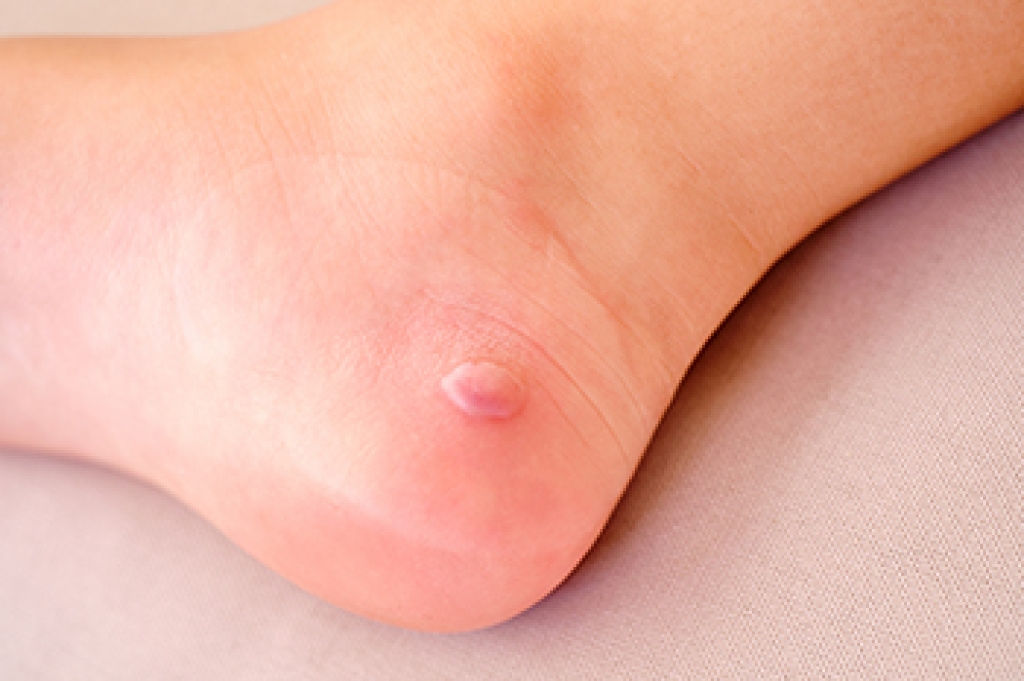
Foot blisters form when repeated friction irritates the top layers of the skin, creating a small pocket of fluid meant to protect the deeper tissue. Heat, moisture, and wearing poorly fitting shoes increase the likelihood of this irritation, especially during long walks, exercise, or standing for extended periods of time. Socks that trap sweat, tight straps, and seams inside footwear can also contribute. In some cases, foot structure or gait issues place extra pressure on certain areas, making blisters more likely to recur. While many blisters heal on their own, they can become painful or infected if they break or if bacteria enter the area. A podiatrist can determine why they are forming and treat them safely by reducing pressure, draining the blister when appropriate, and applying protective dressings. Addressing underlying causes such as shoe fit, foot mechanics, or excessive moisture helps prevent new blisters. If blisters keep returning or show signs of redness, warmth, or swelling, it is suggested that you see a podiatrist for proper care and prevention guidance.
Blisters may appear as a single bubble or in a cluster. They can cause a lot of pain and may be filled with pus, blood, or watery serum. If your feet are hurting, contact Gary J. Kaiserman, DPM of Achilles Footcare Center. Our doctor can provide the care you need to keep you pain-free and on your feet.
Foot Blisters
Foot blisters are often the result of friction. This happens due to the constant rubbing from shoes, which can lead to pain.
What Are Foot Blisters?
A foot blister is a small fluid-filled pocket that forms on the upper-most layer of the skin. Blisters are filled with clear fluid and can lead to blood drainage or pus if the area becomes infected.
Symptoms
(Blister symptoms may vary depending on what is causing them)
Prevention & Treatment
In order to prevent blisters, you should be sure to wear comfortable shoes with socks that cushion your feet and absorb sweat. Breaking a blister open may increase your chances of developing an infection. However, if your blister breaks, you should wash the area with soap and water immediately and then apply a bandage to the affected area. If your blisters cause severe pain it is important that you call your podiatrist right away.
If you have any questions, please feel free to contact our offices located in Forest Lane and West Kiest Boulevard Dallas, TX . We offer the newest diagnostic and treatment technologies for all your foot care needs.

Running can place repetitive stress on the feet, leading to common injuries like plantar fasciitis, stress fractures, Achilles tendon irritation, and pain along the top or ball of the foot. These conditions often develop from overuse, improper footwear, or inefficient running mechanics. Prevention begins with adopting a low- impact running form that reduces strain. Running with short strides and a quick cadence helps limit excessive force. Landing lightly on the ball of the foot rather than the toes, and quickly lifting the foot off the ground can improve efficiency and decrease stress. Proper stretching and recovery are also essential. A podiatrist can evaluate gait and recommend support. If you have sustained a foot or ankle injury while running, it is suggested that you consult a podiatrist who can evaluate gait, and guide you toward appropriate treatment solutions.
All runners should take extra precaution when trying to avoid injury. If you have any concerns about your feet, contact Gary J. Kaiserman, DPM of Achilles Footcare Center. Our doctor will treat your foot and ankle needs.
How to Prevent Running Injuries
There are a lot of mistakes a runner can make prior to a workout that can induce injury. A lot of athletes tend to overstretch before running, instead of saving those workouts for a post-run routine. Deep lunges and hand-to-toe hamstring pulls should be performed after a workout instead of during a warmup. Another common mistake is jumping into an intense routine before your body is physically prepared for it. You should try to ease your way into long-distance running instead of forcing yourself to rush into it.
More Tips for Preventing Injury
If you have any questions, please feel free to contact our offices located in Forest Lane and West Kiest Boulevard Dallas, TX . We offer the newest diagnostic and treatment technologies for all your foot care needs.

Foot pain can often be managed with conservative care, but certain conditions may eventually require surgical treatment. Problems such as severe bunions, advanced arthritis, chronic tendon tears, and persistent nerve compression can cause ongoing pain and limit mobility, despite nonsurgical efforts. Recurrent ankle instability, fractures that do not heal properly, and deformities that interfere with walking may also lead to surgical discussion. In some cases, long-standing plantar fasciitis or painful hammertoes may warrant intervention when daily activities are consistently affected. Surgery is usually considered only after more conservative treatments like orthotics, targeted exercise, footwear changes, and activity modification have failed to provide relief. The goal is to reduce pain, restore function, and improve alignment so walking becomes more comfortable. Each condition requires careful evaluation to determine the most appropriate approach. When foot pain continues to interfere with daily life, it is suggested that you see a podiatrist for a proper diagnosis and treatment options, which may include foot surgery.
Foot surgery is sometimes necessary to treat a foot ailment. To learn more, contact Gary J. Kaiserman, DPM of Achilles Footcare Center. Our doctor will assist you with all of your foot and ankle needs.
When Is Surgery Necessary?
Foot and ankle surgery is generally reserved for cases in which less invasive, conservative procedures have failed to alleviate the problem. Some of the cases in which surgery may be necessary include:
What Types of Surgery Are There?
The type of surgery you receive will depend on the nature of the problem you have. Some of the possible surgeries include:
Benefits of Surgery
Although surgery is usually a last resort, it can provide more complete pain relief compared to non-surgical methods and may allow you to finally resume full activity.
Surgical techniques have also become increasingly sophisticated. Techniques like endoscopic surgery allow for smaller incisions and faster recovery times.
If you have any questions, please feel free to contact our offices located in Forest Lane and West Kiest Boulevard Dallas, TX . We offer the newest diagnostic and treatment technologies for all your foot care needs.

Osteoarthritis and rheumatoid arthritis both affect joints, but they develop in very different ways. Osteoarthritis is a wear-related condition that occurs when joint cartilage gradually breaks down over time. In the feet, it often causes stiffness, aching, and pain that worsens with activity and improves with rest. Rheumatoid arthritis is an autoimmune disease in which the immune system attacks joint lining. This leads to inflammation, swelling, warmth, and pain that may affect both feet symmetrically. Symptoms often feel worse in the morning or after periods of rest. Rheumatoid arthritis can also cause joint deformity if left untreated. Treatment approaches differ. Osteoarthritis care focuses on reducing stress on joints and improving movement, while rheumatoid arthritis requires medical management to control inflammation and protect joints. If foot pain, stiffness, or swelling persists, it is suggested that you see a podiatrist for an evaluation and treatment guidance.
Arthritis can be a difficult condition to live with. If you are seeking treatment, contact Gary J. Kaiserman, DPM from Achilles Footcare Center. Our doctor can provide the care you need to keep you pain-free and on your feet.
Arthritic Foot Care
Arthritis is a joint disorder that involves the inflammation of different joints in your body, such as those in your feet. Arthritis is often caused by a degenerative joint disease and causes mild to severe pain in all affected areas. In addition to this, swelling and stiffness in the affected joints can also be a common symptom of arthritis.
In many cases, wearing ill-fitting shoes can worsen the effects and pain of arthritis. Wearing shoes that have a lower heel and extra room can help your feet feel more comfortable. In cases of rheumatoid arthritis, the arch in your foot may become problematic. Buying shoes with proper arch support that contour to your feet can help immensely.
Alleviating Arthritic Pain
It is best to see your doctor for the treatment that is right for your needs and symptoms. Conditions vary, and a podiatrist can help you determine the right method of care for your feet.
If you have any questions please feel free to contact our offices located in Forest Lane and West Kiest Boulevard Dallas, TX . We offer the newest diagnostic tools and technology to treat your foot and ankle needs.
Connect With Us
