Items filtered by date: March 2025
Why Heels Keep Cracking
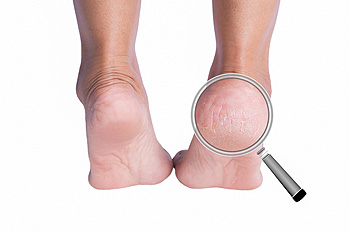
Cracked heels occur when the skin on the heels becomes dry, thick, and unable to stretch properly, leading to splits and discomfort. This condition, known as heel fissures, often results from prolonged pressure on the feet, insufficient moisture, or exposure to harsh conditions. Walking barefoot or wearing open-back shoes can increase the risk by allowing moisture to escape and causing the skin to harden. Medical conditions like diabetes, eczema, or thyroid disorders may also contribute to excessive dryness. Standing for long hours on a hard surface can worsen the problem by adding stress to the heels. This common condition can be painful. If you have developed problematic cracked heels, it is suggested that you consult a podiatrist who can offer effective treatment solutions, which may include prescribed medication for relief.
Cracked heels are unsightly and can cause further damage to your shoes and feet. If you have any concerns, contact Gary J. Kaiserman, DPM from Achilles Footcare Center. Our doctor can provide the care you need to keep you pain-free and on your feet.
Cracked Heels
Cracked heels appear unappealing and can make it harder for you walk around in sandals. Aside from looking unpleasant, cracked heels can also tear stockings, socks, and wear out your shoes. There are several methods to help restore a cracked heel and prevent further damage.
How Do You Get Them?
Dry skin is the number one culprit in creating cracked heels. Many athletes, walkers, joggers, and even swimmers suffer from cracked heels. Age and skin oil production play a role to getting cracked heels as well.
Promote Healing
Over the counter medicines can help, especially for those that need instant relief or who suffer from chronic dry feet.
Wear Socks – Wearing socks with medicated creams helps lock in moisture.
Moisturizers – Applying both day and night will help alleviate dryness which causes cracking.
Pumice Stones – These exfoliate and remove dead skin, which allows for smoother moisturizer application and better absorption into the skin.
Change in Diet
Eating healthy with a well-balanced diet will give the skin a fresh and radiant look. Your body responds to the kinds of food you ingest. Omega-3 fatty acids and zinc supplements can also revitalize skin tissue.
Most importantly, seek professional help if unsure how to proceed in treating cracked heels. A podiatrist will help you with any questions or information needed.
If you have any questions, please feel free to contact our offices located in Forest Lane and West Kiest Boulevard Dallas, TX . We offer the newest diagnostic and treatment technologies for all your foot care needs.
Orthotics Are Your Feet’s Personalized Support System
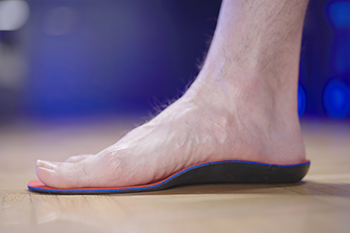
Think of foot orthotics as custom-built shock absorbers for your feet, designed to realign, cushion, and enhance every step. More than just insoles, they serve as personalized tools that adapt to the way you walk, helping to correct imbalances, reduce pain, and prevent long-term issues. Whether you are dealing with heel pain, arthritis, or just tired, achy feet, orthotics work behind the scenes to distribute pressure evenly, absorb impact, and improve posture. They can even help with knee, hip, and lower back pain by addressing misalignment at the foundation. Not all orthotics are created equal, and what works for one person might not work for another. It is suggested that you schedule an appointment with a podiatrist who can assess your needs and recommend the best option, ensuring the right fit for comfort, support, and long-term foot health.
If you are having discomfort in your feet and would like to try orthotics, contact Gary J. Kaiserman, DPM from Achilles Footcare Center. Our doctor can provide the care you need to keep you pain-free and on your feet.
What Are Orthotics?
Orthotics are inserts you can place into your shoes to help with a variety of foot problems such as flat feet or foot pain. Orthotics provide relief and comfort for minor foot and heel pain but can’t correct serious biomechanical problems in your feet.
Over-the-Counter Inserts
Orthotics come in a wide variety of over-the-counter inserts that are used to treat foot pain, heel pain, and minor problems. For example, arch supports can be inserted into your shoes to help correct overarched or flat feet, while gel insoles are often used because they provide comfort and relief from foot and heel pain by alleviating pressure.
Prescription Orthotics
If over-the-counter inserts don’t work for you or if you have a more severe foot concern, it is possible to have your podiatrist prescribe custom orthotics. These high-quality inserts are designed to treat problems such as abnormal motion, plantar fasciitis, and severe forms of heel pain. They can even be used to help patients suffering from diabetes by treating foot ulcers and painful calluses and are usually molded to your feet individually, which allows them to provide full support and comfort.
If you are experiencing minor to severe foot or heel pain, it’s recommended to speak with your podiatrist about the possibilities of using orthotics. A podiatrist can determine which type of orthotic is right for you and allow you to take the first steps towards being pain-free.
If you have any questions please contact our offices located in Forest Lane and West Kiest Boulevard Dallas, TX . We offer the newest diagnostic and treatment technologies for all your foot and ankle needs.
Why Live with Pain and Numbness in Your Feet?
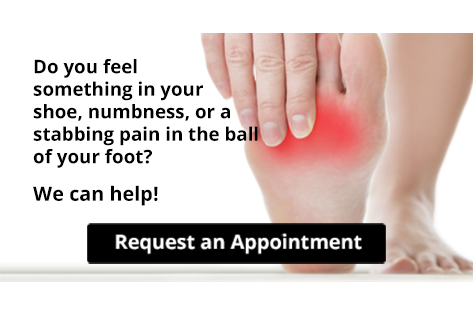
Suffering from this type of pain? You may have the foot condition known as Morton's neuroma. Morton's neuroma may develop as a result of ill-fitting footwear and existing foot deformities. We can help.
When Hammertoe Surgery May Not Be Effective

Hammertoe surgery is designed to correct toe deformities, but certain risk factors can make the procedure less successful. Poor circulation, often seen in people with diabetes or peripheral artery disease, slows healing and increases the risk of complications. Individuals with severe arthritis may struggle with joint stiffness even after surgery, limiting mobility and causing lingering discomfort. Weak bones due to osteoporosis can also make surgical correction less stable, increasing the chances of recurrence. Chronic swelling from conditions like lymphedema may lead to prolonged recovery and difficulties wearing shoes comfortably. Smoking and obesity further hinder healing by reducing oxygen supply and placing excess pressure on the feet. Non-surgical options such as orthotics, toe splints, and targeted exercises may be better alternatives for those at high risk. If you are in a high-risk group and would like relief for your hammertoe, it is suggested that you consult a podiatrist who can help determine the safest and most effective treatment based on your specific health concerns.
Hammertoe
Hammertoes can be a painful condition to live with. For more information, contact Gary J. Kaiserman, DPM from Achilles Footcare Center. Our doctor will answer any of your foot- and ankle-related questions.
Hammertoe is a foot deformity that affects the joints of the second, third, fourth, or fifth toes of your feet. It is a painful foot condition in which these toes curl and arch up, which can often lead to pain when wearing footwear.
Symptoms
- Pain in the affected toes
- Development of corns or calluses due to friction
- Inflammation
- Redness
- Contracture of the toes
Causes
Genetics – People who are genetically predisposed to hammertoe are often more susceptible
Arthritis – Because arthritis affects the joints in your toes, further deformities stemming from arthritis can occur
Trauma – Direct trauma to the toes could potentially lead to hammertoe
Ill-fitting shoes – Undue pressure on the front of the toes from ill-fitting shoes can potentially lead to the development of hammertoe
Treatment
Orthotics – Custom made inserts can be used to help relieve pressure placed on the toes and therefore relieve some of the pain associated with it
Medications – Oral medications such as anti-inflammatories or NSAIDs could be used to treat the pain and inflammation hammertoes causes. Injections of corticosteroids are also sometimes used
Surgery – In more severe cases where the hammertoes have become more rigid, foot surgery is a potential option
If you have any questions please contact our offices located in Forest Lane and West Kiest Boulevard Dallas, TX . We offer the newest diagnostic and treatment technologies for all your foot and ankle needs.
Stretches That Help With Plantar Fasciitis
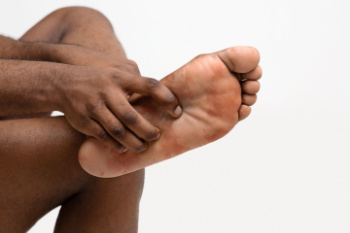
Plantar fasciitis results when the thick band of tissue along the sole of the foot becomes inflamed, leading to heel pain and stiffness. Stretching exercises can help relieve this discomfort by improving flexibility and reducing strain on the plantar fascia. A calf stretch can be done by placing both hands against a wall, stepping one foot back, and pressing the heel into the ground while bending the front knee. Holding this position helps lengthen the Achilles tendon and ease tension in the foot. A stair stretch involves standing on a step with the heels hanging off the edge, then gently lowering them to stretch the back of the foot and ankle. A seated foot stretch can be performed by grasping the toes and pulling them toward the shin, which targets the arch directly. Using a towel or resistance band around the toes while pulling upward can also stretch the bottom of the foot. If you are experiencing pain in the heel or on the bottom of your foot, it may be a sign of plantar fasciitis, and it is suggested that you schedule an appointment with a podiatrist for an exam, diagnosis, and treatment options.
Plantar fasciitis is a common foot condition that is often caused by a strain injury. If you are experiencing heel pain or symptoms of plantar fasciitis, contact Gary J. Kaiserman, DPM from Achilles Footcare Center. Our doctor can provide the care you need to keep you pain-free and on your feet.
What Is Plantar Fasciitis?
Plantar fasciitis is one of the most common causes of heel pain. The plantar fascia is a ligament that connects your heel to the front of your foot. When this ligament becomes inflamed, plantar fasciitis is the result. If you have plantar fasciitis you will have a stabbing pain that usually occurs with your first steps in the morning. As the day progresses and you walk around more, this pain will start to disappear, but it will return after long periods of standing or sitting.
What Causes Plantar Fasciitis?
- Excessive running
- Having high arches in your feet
- Other foot issues such as flat feet
- Pregnancy (due to the sudden weight gain)
- Being on your feet very often
There are some risk factors that may make you more likely to develop plantar fasciitis compared to others. The condition most commonly affects adults between the ages of 40 and 60. It also tends to affect people who are obese because the extra pounds result in extra stress being placed on the plantar fascia.
Prevention
- Take good care of your feet – Wear shoes that have good arch support and heel cushioning.
- Maintain a healthy weight
- If you are a runner, alternate running with other sports that won’t cause heel pain
There are a variety of treatment options available for plantar fasciitis along with the pain that accompanies it. Additionally, physical therapy is a very important component in the treatment process. It is important that you meet with your podiatrist to determine which treatment option is best for you.
If you have any questions, please feel free to contact our offices located in Forest Lane and West Kiest Boulevard Dallas, TX . We offer the newest diagnostic and treatment technologies for all your foot care needs.
