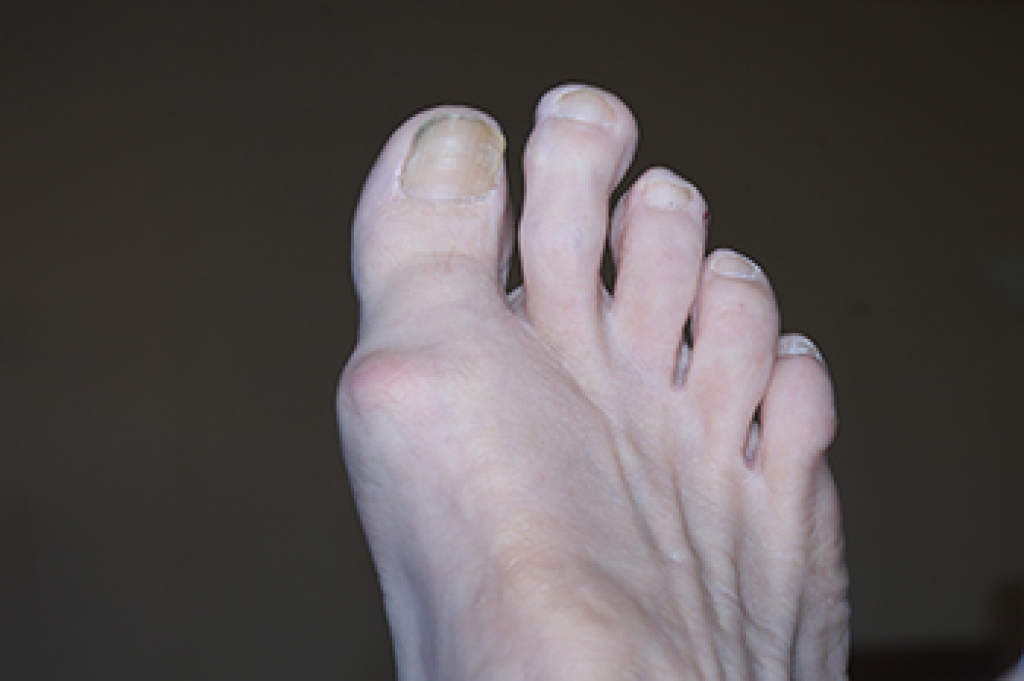
What Is Morton’s Toe?

Morton’s toe, also known as Greek foot, is a condition where the second toe is longer than the big toe. While it is often a benign anatomical variation, it can lead to discomfort and pain due to altered foot mechanics. Individuals with Morton’s toe may experience metatarsalgia, which is pain in the ball of the foot, as well as calluses, bunions, and discomfort while walking or standing. Treatment typically begins with conservative measures, such as wearing supportive footwear, using orthotic inserts, and practicing foot stretches. However, if pain persists or worsens, it is important to consult a podiatrist. This type of doctor may recommend more advanced treatments, including targeted exercises or, in severe cases, surgery to alleviate pain and correct alignment issues. If you suspect you have Morton’s toe and are experiencing discomfort, it is suggested you schedule an appointment with a podiatrist for a thorough assessment and tailored treatment options.

Morton’s neuroma is a very uncomfortable condition to live with. If you think you have Morton’s neuroma, contact Gary J. Kaiserman, DPM of Achilles Footcare Center. Our doctor will attend to all of your foot care needs and answer any of your related questions.  

Morton’s Neuroma

Morton's neuroma is a painful foot condition that commonly affects the areas between the second and third or third and fourth toe, although other areas of the foot are also susceptible. Morton’s neuroma is caused by an inflamed nerve in the foot that is being squeezed and aggravated by surrounding bones.

What Increases the Chances of Having Morton’s Neuroma?

  • Ill-fitting high heels or shoes that add pressure to the toe or foot
  • Jogging, running or any sport that involves constant impact to the foot
  • Flat feet, bunions, and any other foot deformities

Morton’s neuroma is a very treatable condition. Orthotics and shoe inserts can often be used to alleviate the pain on the forefront of the feet. In more severe cases, corticosteroids can also be prescribed. In order to figure out the best treatment for your neuroma, it’s recommended to seek the care of a podiatrist who can diagnose your condition and provide different treatment options.

If you have any questions, please feel free to contact our offices located in Forest Lane and West Kiest Boulevard Dallas, TX . We offer the newest diagnostic and treatment technologies for all your foot care needs.
Read more about What is Morton's Neuroma?

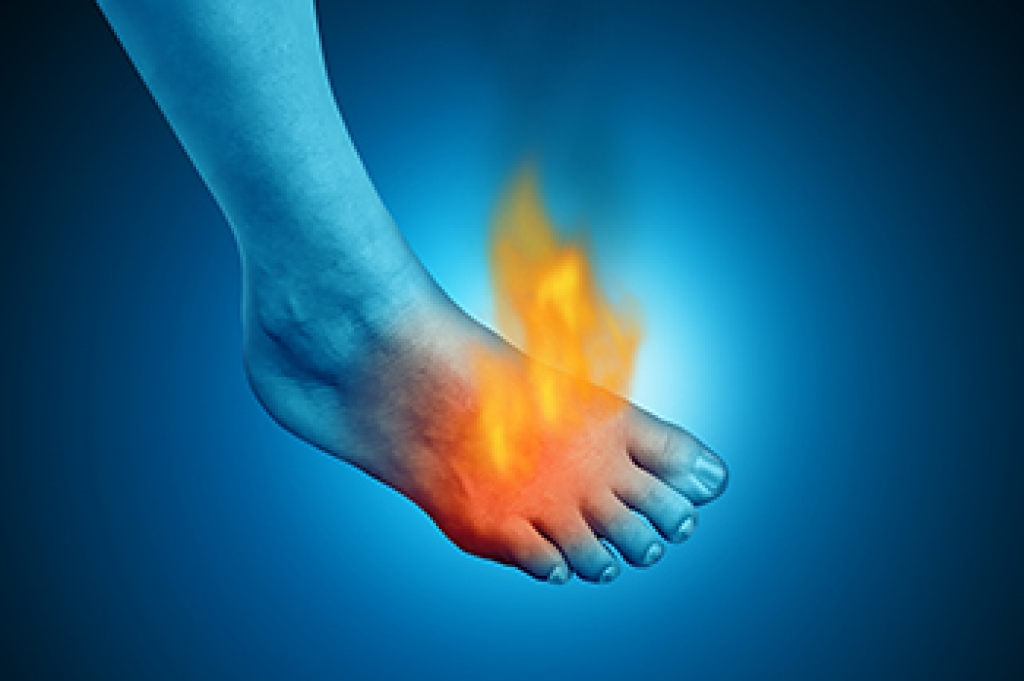
Erythromelalgia and Its Impact on the Feet

Erythromelalgia is a rare condition marked by severe burning pain, redness, and heat in the extremities, particularly affecting the feet. Individuals often experience debilitating symptoms that flare up in response to heat, exertion, or prolonged standing, leading to significant discomfort. The exact cause of erythromelalgia is not fully understood, but it is thought to involve abnormalities in blood flow and nerve function. This condition can affect people of all ages, but it is more commonly observed in adults, especially women. In the feet, erythromelalgia can hinder mobility and impact daily activities, making even simple tasks challenging. Understanding erythromelalgia is vital for those affected, as timely diagnosis and appropriate management strategies can help alleviate symptoms and improve overall quality of life. If you have any of the above symptoms, it is strongly suggested that you promptly consult a podiatrist who can help you to manage this condition. 

Some foot conditions may require additional professional care. If you have any concerns, contact Gary J. Kaiserman, DPM of Achilles Footcare Center. Our doctor can provide the care you need to keep you pain-free and on your feet.

Rare Foot Conditions

The majority of foot conditions are common and can be treated by a podiatrist.  Standard diagnostic procedures are generally used to identify specific conditions and treatment can be rendered. A podiatrist also treats rare foot conditions which can be difficult to diagnose and may need extra attention and care. 

There are many rare foot conditions that can affect children. Some of these can include:

  • Freiberg’s disease
  • Kohler’s disease
  • Maffucci syndrome

Freiberg’s disease - This can be seen as a deterioration and flattening of a metatarsal bone that exists in the ball of the foot. It typically affects pre-teen and teenage girls, but can affect anyone at any age. Symptoms that can accompany this can be swelling, stiffness, and the patient may limp. 

Kohler’s disease - This often targets the bone in the arch of the foot and affects younger boys. It can lead to an interruption of the blood supply which ultimately can lead to bone deterioration. The patient may limp or experience tenderness, swelling, and redness.

Maffucci syndrome - This affects the long bones in a child’s foot leading to the development of abnormal bone lesions. They are benign growths and typically develop in early childhood and the bones may be susceptible to breaking. 

A podiatrist can properly diagnose and treat all types of rare foot conditions. If your child is affected by any of these symptoms or conditions, please don’t hesitate to call our office so the correct treatment method can begin.

If you have any questions, please feel free to contact our offices located in Forest Lane and West Kiest Boulevard Dallas, TX . We offer the newest diagnostic and treatment technologies for all your foot care needs.

Read more about Rare Foot Conditions

Reminder: When Was the Last Time...?

Custom orthotics, or shoe inserts, should be periodically replaced. Orthotics must fit properly to give you the best results. Protect your feet and ankles!

Facts About Dislocated Toes

A dislocated toe occurs when the bones in the toe become misaligned, often leading to significant discomfort and mobility issues. Common symptoms include intense pain at the site of the injury, noticeable swelling, and bruising. The affected toe may appear deformed or out of place, and there may be difficulty moving it or walking without pain. Several factors contribute to dislocated toes, with sports injuries being a leading cause. Activities involving running, jumping, or sudden changes in direction can put excessive stress on the toe joints. Also, accidents such as stubbing the toe or dropping a heavy object on it can lead to dislocation. If you have sustained an injury that may have dislocated your toe, it is suggested that you promptly contact a podiatrist who can provide an accurate diagnosis and treatment.

Toe pain can disrupt your daily activities. If you have any concerns, contact Gary J. Kaiserman, DPM of Achilles Footcare Center. Our doctor can provide the care you need to keep you pain-free and on your feet.

What Causes Toe Pain?

Most severe toe pain is caused due to a sports injury, trauma from dropping something heavy on the toe, or bumping into something rigid. Other problems can develop over time for various reasons.

Toe pain can be caused by one or more ailments. The most common include:

  • Trauma
  • Sports injury
  • Wearing shoes that are too tight
  • Arthritis
  • Gout
  • Corns and calluses
  • Hammertoe
  • Bunions
  • Blisters
  • Ingrown toenails
  • Sprains
  • Fractures (broken bones)
  • Dislocations

When to See a Podiatrist

  • Severe pain
  • Persistent pain that lasts more than a week
  • Signs of infection
  • Continued swelling
  • Pain that prevents walking

Diagnosis

In many cases the cause of toe pain is obvious, but in others, a podiatrist may want to use more advanced methods to determine the problem. These can range from simple visual inspections and sensation tests to X-rays and MRI scans. Prior medical history, family medical history, and any recent physical traumatic events will all be taken into consideration for a proper diagnosis.

Treatment

Treatments for toe pain and injuries vary and may include shoe inserts, padding, taping, medicines, injections, and in some cases, surgery. If you believe that you have broken a toe, please see a podiatrist as soon as possible.

If you have any questions please contact our offices located in Forest Lane and West Kiest Boulevard Dallas, TX . We offer the newest diagnostic and treatment technologies for all your foot and ankle needs.

Read more about Toe Pain

Exercises to Alleviate Ankle Arthritis

Managing ankle arthritis can be significantly aided by incorporating specific foot exercises into your routine. Ankle pumps are particularly beneficial, and are done by flexing and pointing the foot repeatedly. This can help to improve circulation and reduce stiffness. Another helpful exercise is ankle rotation, which involves gently rotating the foot in a circular motion, promoting flexibility and easing joint pain. The ankle alphabet exercise also proves effective. By using your foot to write the letters of the alphabet in the air, you engage various ankle muscles and enhance mobility. These exercises help maintain joint function, alleviate discomfort, and improve overall ankle health. If you have arthritis in your feet and ankles, it is suggested that you consult a podiatrist who can offer you additional relief and management techniques. 

Exercising your feet regularly with the proper foot wear is a great way to prevent injuries and build strength. If you have any concerns about your feet, contact Gary J. Kaiserman, DPM from Achilles Footcare Center. Our doctor can provide the care you need to keep you pain-free and on your feet.

Exercise for Your Feet

Exercise for your feet can help you gain strength, mobility and flexibility in your feet. They say that strengthening your feet can be just as rewarding as strengthening another part of the body. Your feet are very important, and we often forget about them in our daily tasks. But it is because of our feet that are we able to get going and do what we need to. For those of us fortunate enough to not have any foot problems, it is an important gesture to take care of them to ensure good health in the long run.

Some foot health exercises can include ankle pumps, tip-toeing, toe rises, lifting off the floor doing reps and sets, and flexing the toes. It is best to speak with Our doctor to determine an appropriate regimen for your needs. Everyone’s needs and bodies are different, and the activities required to maintain strength in the feet vary from individual to individual. 

Once you get into a routine of doing regular exercise, you may notice a difference in your feet and how strong they may become.

If you have any questions, please feel free to contact our offices located in Forest Lane and West Kiest Boulevard Dallas, TX . We offer the newest diagnostic and treatment technologies for all your foot care needs.

Read more about Exercise for Your Feet

Connect With Us