
Dealing With Bunions

Bunions are bony bumps that form at the base of the big toe, as the top of the toe angles inward. Women tend to suffer from bunions more than men. Bunions often result from genetics, poor-fitting shoes, flat feet, or arthritis. Symptoms include pain, swelling, and difficulty wearing shoes. The area may feel tender or stiff, and walking can become increasingly uncomfortable. Bunions can worsen over time if left untreated. A podiatrist can evaluate the condition through a physical examination and imaging, such as X-rays. Conservative treatment includes padding, orthotics, shoe modifications, and anti-inflammatory medications. If you are dealing with a painful bunion, it is suggested that you make an appointment with a podiatrist to receive an accurate diagnosis and explore the best treatment options tailored to your needs.

If you are suffering from bunion pain, contact Gary J. Kaiserman, DPM of Achilles Footcare Center. Our doctor can provide the care you need to keep you pain-free and on your feet.

What Is a Bunion?

Bunions are painful bony bumps that usually develop on the inside of the foot at the joint of the big toe. As the deformity increases over time, it may become painful to walk and wear shoes. Women are more likely to exacerbate existing bunions since they often wear tight, narrow shoes that shift their toes together. Bunion pain can be relieved by wearing wider shoes with enough room for the toes.

Causes

  • Genetics – some people inherit feet that are more prone to bunion development
  • Inflammatory Conditions - rheumatoid arthritis and polio may cause bunion development

Symptoms

  • Redness and inflammation
  • Pain and tenderness
  • Callus or corns on the bump
  • Restricted motion in the big toe

In order to diagnose your bunion, your podiatrist may ask about your medical history, symptoms, and general health. Your doctor might also order an x-ray to take a closer look at your feet. Nonsurgical treatment options include orthotics, padding, icing, changes in footwear, and medication. If nonsurgical treatments don’t alleviate your bunion pain, surgery may be necessary.

If you have any questions, please feel free to contact our offices located in Forest Lane and West Kiest Boulevard Dallas, TX . We offer the newest diagnostic and treatment technologies for all your foot care needs.

Read more about Bunions

Education to Become a Podiatrist

There are fifty-two bones in the feet which constitute approximately one quarter of the bones in the body. People who choose to pursue a career in podiatric medicine will learn how to treat disorders, injuries, and diseases of the feet. Some of these conditions can include hammertoes, bunions, heel spurs, and foot ulcers. The education generally consists of four years of study at a podiatric medical school, preceded by earning a bachelor's degree. A residency is then begun which can last two to four years. People who have become a DPM, which is an abbreviation for doctor of podiatric medicine, can choose to work in a private practice, or treat patients in a hospital environment. If you are contemplating a career in podiatry, it is strongly suggested that you consult with a podiatrist who can help you to determine if this is the right career choice for you.

If you are experiencing pain in the feet or ankles, don’t join the stubborn majority refusing treatment. Feel free to contact Gary J. Kaiserman, DPM from Achilles Footcare Center. Our doctor can provide the care you need to keep you pain-free and on your feet.

What Is a Podiatrist?

Someone would seek the care of a podiatrist if they have suffered a foot injury or have common foot ailments such as heal spurs, bunions, arch problems, deformities, ingrown toenails, corns, foot and ankle problems, etc.

Podiatric Treatment

A podiatrist will treat the problematic areas of the feet, ankle or lower leg by prescribing the following:

  • Physical therapy
  • Drugs
  • Orthotic inserts or soles
  • Surgery on lower extremity fractures

A common podiatric procedure a podiatrist will use is a scanner or force plate which will allow the podiatrist to know the designs of orthotics. Patients are then told to follow a series of tasks to complete the treatment. The computer will scan the foot a see which areas show weight distribution and pressure points. The podiatrist will read the analysis and then determine which treatment plans are available.

If you have any questions, please feel free to contact our offices located in Forest Lane and West Kiest Boulevard Dallas, TX . We offer the newest diagnostic and treatment technologies for all your foot care needs.

Read more about What is a Podiatrist?

Causes of Foot Puncture Wounds

A foot puncture wound is an injury in which a sharp object penetrates the skin, potentially reaching deeper tissues such as muscles, tendons, or bones. Common causes include stepping on nails, glass, or other sharp objects, often in outdoor or workplace environments. These wounds can become easily infected due to bacteria being introduced deep into the tissue. Immediate care is vital to prevent complications, including infection or delayed healing. A podiatrist can thoroughly clean and assess the wound, provide necessary treatments such as antibiotics or tetanus updates, and guide proper wound care to promote healing. If you have a foot wound, it is strongly suggested that you promptly consult a podiatrist who can provide effective treatment.

Wound care is an important part in dealing with diabetes. If you have diabetes and a foot wound or would like more information about wound care for diabetics, consult with Gary J. Kaiserman, DPM from Achilles Footcare Center. Our doctor will assess your condition and provide you with quality foot and ankle treatment.

What Is Wound Care?

Wound care is the practice of taking proper care of a wound. This can range from the smallest to the largest of wounds. While everyone can benefit from proper wound care, it is much more important for diabetics. Diabetics often suffer from poor blood circulation which causes wounds to heal much slower than they would in a non-diabetic. 

What Is the Importance of Wound Care?

While it may not seem apparent with small ulcers on the foot, for diabetics, any size ulcer can become infected. Diabetics often also suffer from neuropathy, or nerve loss. This means they might not even feel when they have an ulcer on their foot. If the wound becomes severely infected, amputation may be necessary. Therefore, it is of the upmost importance to properly care for any and all foot wounds.

How to Care for Wounds

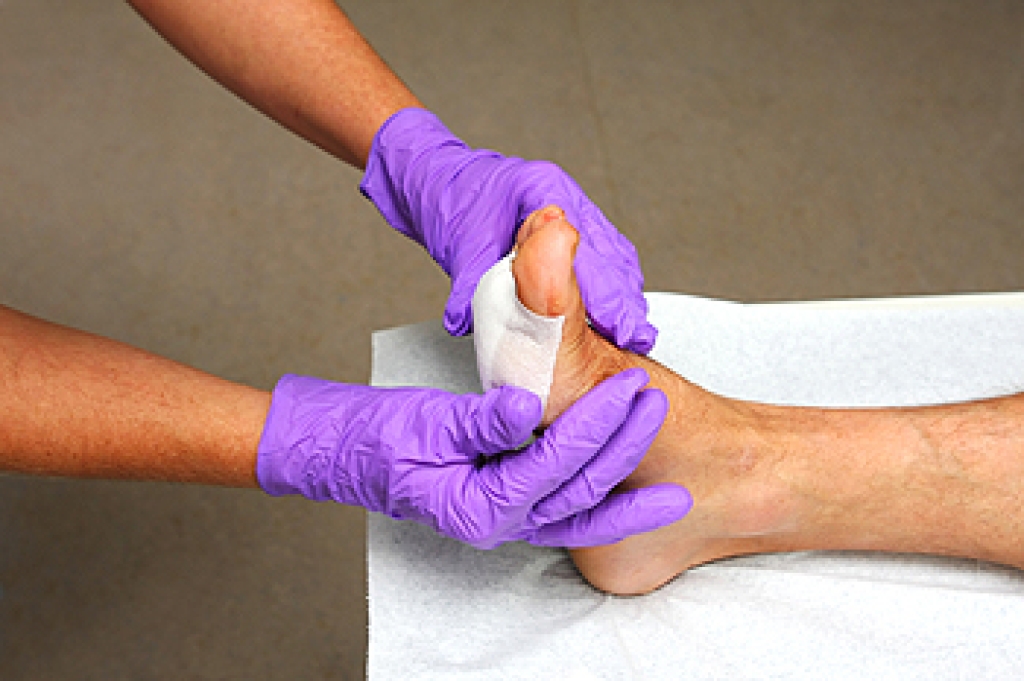
The best way to care for foot wounds is to prevent them. For diabetics, this means daily inspections of the feet for any signs of abnormalities or ulcers. It is also recommended to see a podiatrist several times a year for a foot inspection. If you do have an ulcer, run the wound under water to clear dirt from the wound; then apply antibiotic ointment to the wound and cover with a bandage. Bandages should be changed daily and keeping pressure off the wound is smart. It is advised to see a podiatrist, who can keep an eye on it.

If you have any questions please contact our offices located in Forest Lane and West Kiest Boulevard Dallas, TX . We offer the newest diagnostic and treatment technologies for all your foot and ankle needs.

Read more about Wound Care

Keeping Ingrown Toenails From Developing

Ingrown toenails are uncomfortable and often avoidable with the right habits. One of the most important steps is wearing shoes that give your toes enough room. Tight or narrow footwear squeezes the toes together, putting pressure on the nails and encouraging them to grow into the surrounding skin. How nails are trimmed also makes a difference. Cutting them straight across, rather than rounding the edges, helps the nail grow outward instead of curving into the skin. It is also best to avoid having the nails cut too short, which can increase the chance of the edge digging in as the nail grows. Another common mistake is picking or tearing at toenails. This leaves uneven edges that can easily become embedded in the skin. If you have an ingrown toenail that has become painful, it is suggested that you see a podiatrist as quickly as possible for the right care.

Ingrown toenails can become painful if they are not treated properly. For more information about ingrown toenails, contact Gary J. Kaiserman, DPM of Achilles Footcare Center. Our doctor can provide the care you need to keep you pain-free and on your feet.

Ingrown Toenails

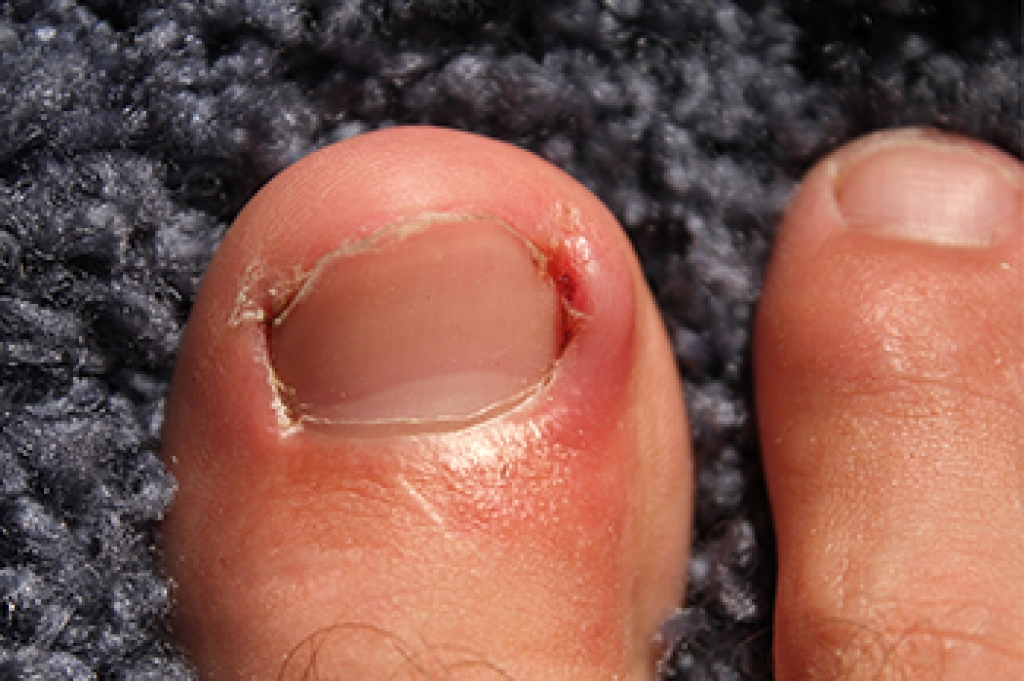
Ingrown toenails occur when a toenail grows sideways into the bed of the nail, causing pain, swelling, and possibly infection.

Causes

  • Bacterial infections
  • Improper nail cutting such as cutting it too short or not straight across
  • Trauma to the toe, such as stubbing, which causes the nail to grow back irregularly
  • Ill-fitting shoes that bunch the toes too close together
  • Genetic predisposition

Prevention

Wearing proper fitting shoes and using proper cutting techniques will also help decrease your risk of developing ingrown toenails.

Treatment

Ingrown toenails are a very treatable foot condition. In minor cases, soaking the affected area in salt or antibacterial soaps will not only help with the ingrown nail itself, but also help prevent any infections from occurring. In more severe cases, surgery is an option. In either case, speaking to your podiatrist about this condition will help you get a better understanding of specific treatment options that are right for you.

If you have any questions, please feel free to contact our offices located in Forest Lane and West Kiest Boulevard Dallas, TX . We offer the newest diagnostic and treatment technologies for all your foot care needs.
Read more about Ingrown Toenail Care

Connect With Us