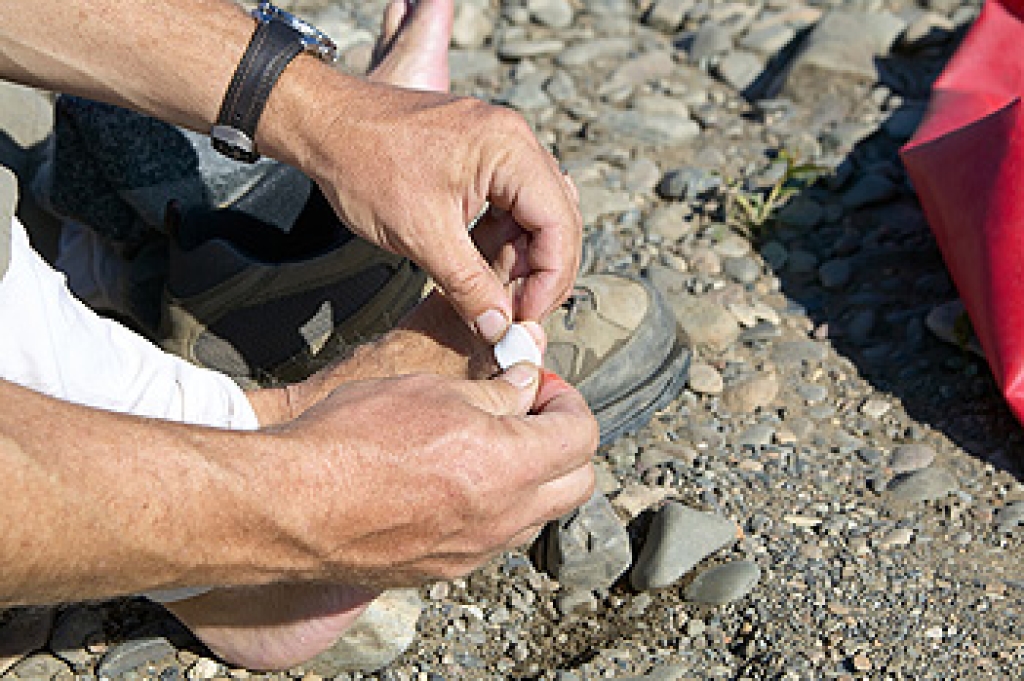
Foot blisters from hiking are a common concern for outdoor enthusiasts and can quickly turn an enjoyable trip into an uncomfortable experience. A blister is a small fluid-filled pocket that forms on the skin due to repeated friction or pressure. While hiking, blisters often develop when there is constant rubbing between the foot and the inside of a boot. Pressure from a tight spot in the boot or even a wrinkle in a sock can irritate the skin. Moist skin is more susceptible to damage when friction occurs, which makes long hikes especially challenging for foot health.
The symptoms of a hiking blister are usually easy to recognize. A foot blister often appears as a raised area filled with clear fluid and may be surrounded by redness or irritation. Pain and tenderness are common, especially when walking or applying pressure. In some cases, the blister may burst, leading to raw skin that can increase the risk of infection. Swelling and a warm sensation around the affected area may also occur. Recognizing these symptoms early can help prevent further discomfort and complications.
Several factors increase the risk of developing foot blisters while hiking. Wearing ill-fitting boots is one of the most common causes, especially when they are too tight or too loose. Moisture from sweat or wet conditions softens the skin and makes it more vulnerable to friction. Long distances and uneven terrain can also increase pressure on certain areas of the foot. In addition, wearing improper socks or failing to adjust footwear during a hike can contribute to blister formation.
Preventing blisters involves reducing friction and keeping the feet dry and supported. Choosing properly fitted hiking boots and moisture wicking socks can make a significant difference. Checking for wrinkles in socks and addressing pressure points early can help protect the skin. If you have a foot blister from hiking, it is suggested that you consult a podiatrist for effective treatment and prevention tips.
Blisters are prone to making everyday activities extremely uncomfortable. If your feet are hurting, contact Gary J. Kaiserman, DPM of Achilles Footcare Center. Our doctor can provide the care you need to keep you pain-free and on your feet.
Foot Blisters
Foot blisters develop as a result of constantly wearing tight or ill-fitting footwear. This happens due to the constant rubbing from the shoe, which can often lead to pain.
What Are Foot Blisters?
A foot blister is a small fluid-filled pocket that forms on the upper-most layer of the skin. Blisters are filled with clear fluid and can lead to blood drainage or pus if the area becomes infected.
How Do Blisters Form?
Blisters on the feet are often the result of constant friction of skin and material, usually by shoe rubbing. Walking in sandals, boots, or shoes that don’t fit properly for long periods of time can result in a blister. Having consistent foot moisture and humidity can easily lead to blister formation.
Prevention & Treatment
It is important to properly care for the affected area in order to prevent infection and ease the pain. Do not lance the blister and use a Band-Aid to provide pain relief. Also, be sure to keep your feet dry and wear proper fitting shoes. If you see blood or pus in a blister, seek assistance from a podiatrist.
If you have any questions, please feel free to contact our offices located in Forest Lane and West Kiest Boulevard Dallas, TX . We offer the newest diagnostic and treatment technologies for all your foot care needs.
